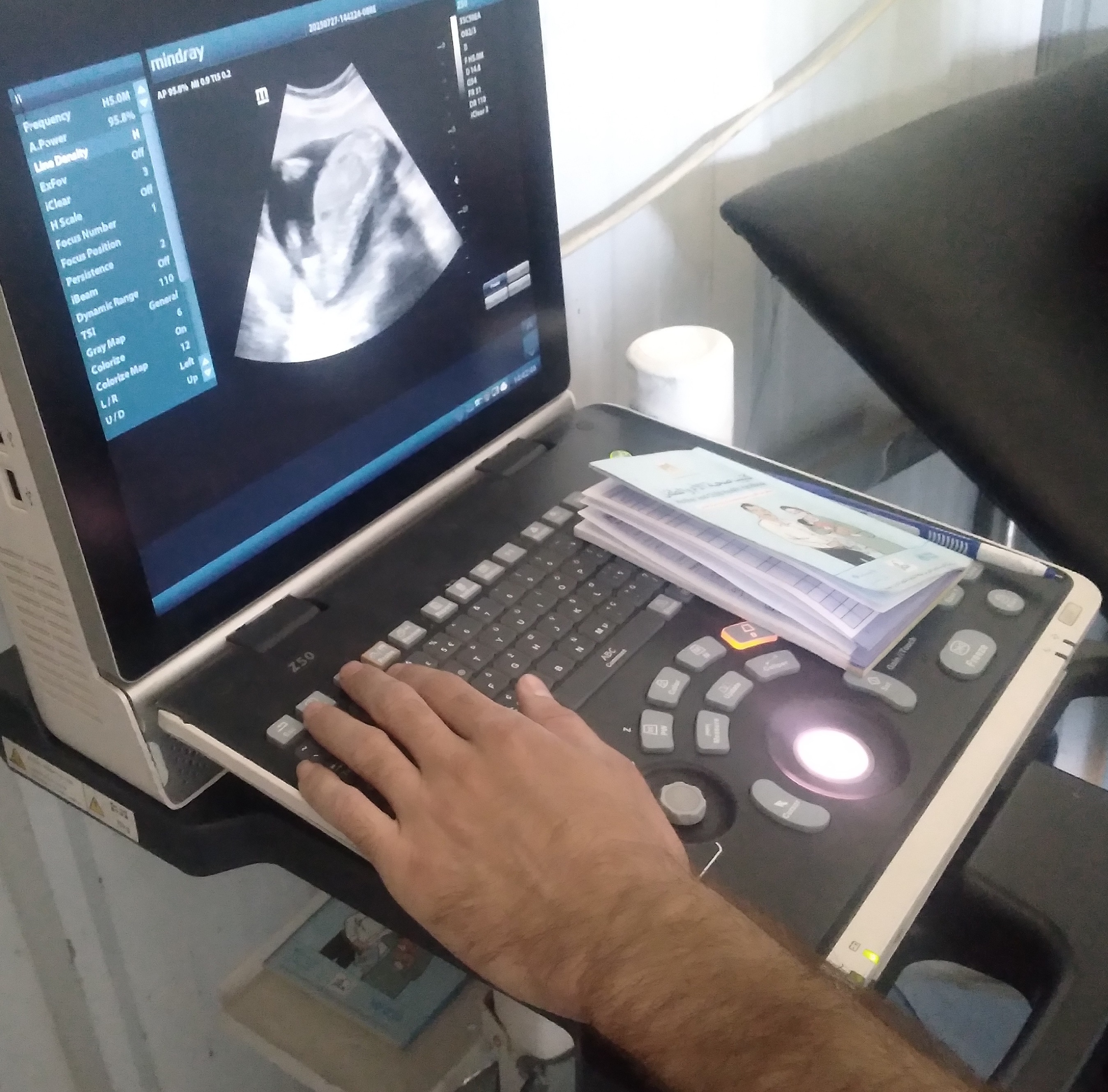
Obstetrics & Gynecology Department
Family planning • prenatal & postnatal care • ultrasound • BP & nutrition follow-up

Obstetrics & Gynecology Department

Comprehensive women’s health—family planning, prenatal/postnatal care, pregnancy ultrasound, and nutrition & blood pressure follow-up.

About Obstetrics & Gynecology

We deliver full-spectrum women’s care before, during, and after pregnancy with preventive gynecology, early detection, and personalized plans.

Our team supports safe pregnancy journeys through antenatal visits, ultrasound imaging, BP/weight tracking, nutrition counseling, and postnatal follow-up. We also provide contraception counseling, manage menstrual disorders, and guide screening pathways.

Core Services

  • Family planning & contraception counseling
  • Prenatal care: routine check-ups, risk assessment, lab review
  • Postnatal care: recovery checks, breastfeeding support, contraception planning
  • Pregnancy ultrasound (dating, viability, growth monitoring)
  • Blood pressure monitoring & preeclampsia screening
  • Malnutrition assessment & nutrition follow-up during pregnancy
  • Anemia management; gestational diabetes screening pathways
  • General gynecology (menstrual, fertility, pelvic pain)

Pregnancy Red Flags

Seek urgent care for severe headache or vision changes, heavy bleeding, severe abdominal pain, persistent vomiting, swelling or shortness of breath, high blood pressure, or reduced fetal movement.

Our Treatments

Family Planning

Personalized contraception options with counseling & follow-up.

Prenatal Care

Regular antenatal visits, risk screening, labs review, education.

Postnatal Support

Recovery checks, breastfeeding guidance, mental health support.

Pregnancy Ultrasound

Dating, viability, growth monitoring, and referrals.

BP & Nutrition Follow-up

Blood pressure tracking, anemia screening, malnutrition care.

Medical Consultations

Menstrual, fertility, and pelvic health consults.

Frequently Asked Questions

Typically every 4 weeks in early pregnancy, then every 2–3 weeks, and weekly in the last month — or as advised by your clinician based on risk assessment.

Severe headache or vision changes, heavy bleeding, severe abdominal pain, persistent vomiting, swelling/shortness of breath, high blood pressure, or reduced fetal movement.

It depends on your health, preferences, and plans; we’ll discuss pills, IUD, implants, injectables, and barrier methods together.