Endocrinology & Diabetes Department
Continuous follow-up • Early screening • BP & glucose emergencies • Cardiac-risk monitoring

Endocrinology & Diabetes Department

Comprehensive care for diabetes, hypertension, thyroid & adrenal disorders—prevention, early detection, and long-term follow-up.

رعاية شاملة للسكري وارتفاع الضغط واضطرابات الغدّة الدرقية والكظرية—وقاية وكشف مبكر ومتابعة طويلة الأمد.
About Endocrinology & Diabetes

We manage diabetes (Type 1/2), hypertension, thyroid/adrenal disorders, dyslipidemia, and metabolic disease with patient-centered plans.

Services include medication adjustment, glucose/BP monitoring, lifestyle counseling, and complication screening (eyes, kidneys, nerves, heart) with cardiology coordination as needed.

Our Services

  • Continuous follow-up for diabetes (Type 1/2) and hypertension
  • Early screening for hyper/hypoglycemia and hyper/hypotension
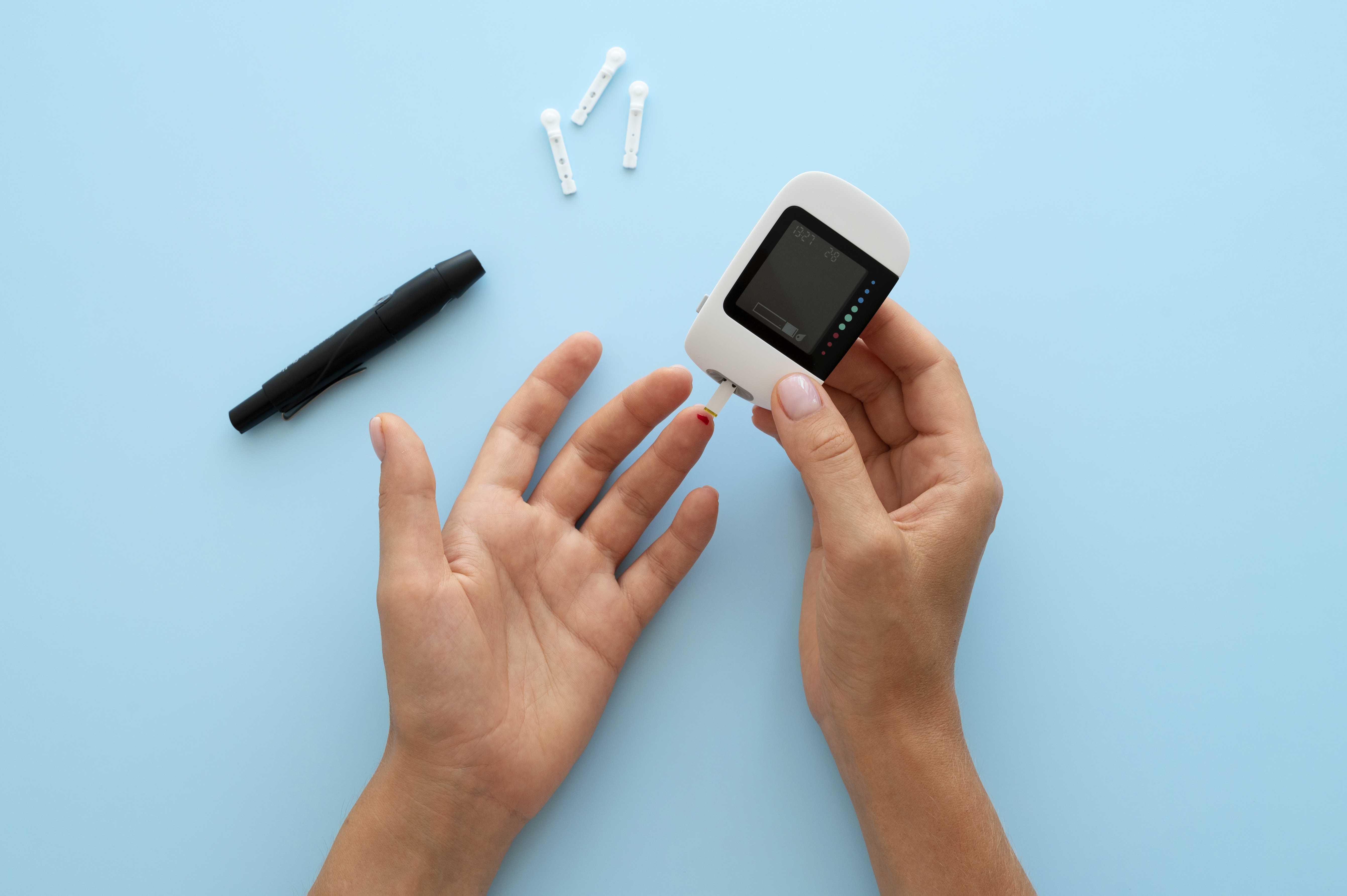
  • Point-of-care: capillary glucose, HbA1c (if available), BP trend logs
  • Medication optimization & insulin titration plans
  • Cardiometabolic risk assessment & cardiology linkage
  • Complication screening: kidney (urine ACR), eye referrals, foot checks, neuropathy
  • Lifestyle & nutrition counseling; weight and lipid management
  • Provision of necessary medications & basic supplies as available

When to Seek Urgent Care

Very high sugars (vomiting, confusion, deep breathing), very low sugars (sweating, tremor, fainting), severe headache/chest pain with high BP, or BP < 90 systolic with dizziness.

Our Treatments & Programs

Insulin & Medication Plans

Titration protocols, dose adjustments, and adherence support.

Cardiometabolic Clinic

Risk review, BP/lipids control, and cardiology linkage.

Hypo/Hyperglycemia Pathways

Rapid assessment and rescue plans with prevention education.

Complications Screening

Kidney, eye, foot, and neuropathy checks with timely referrals.

Lifestyle & Nutrition

Weight management, activity coaching, and dietetic counseling.

Medications & Supplies

Provision of indicated drugs and basic monitoring supplies (as available).

Frequently Asked Questions

It depends on your plan, but many patients check fasting and post-meal glucose daily, and BP several times per week—more often if readings are unstable or medications change.

Low sugar: shakiness, sweating, confusion, headache. High sugar: thirst, frequent urination, blurry vision, fatigue. Seek urgent help if severe, persistent, or with vomiting/confusion.

We assess your 10-year risk, review BP/lipids, ECG or referrals as needed, and collaborate with cardiology for chest pain, dyspnea, or complex risk profiles.